


Will My Insurance Cover Storm Damage Roof Repairs in Texas? Comprehensive Guide to Texas Roof Insurance Claims
Understanding Your Policy
Documenting the Damage
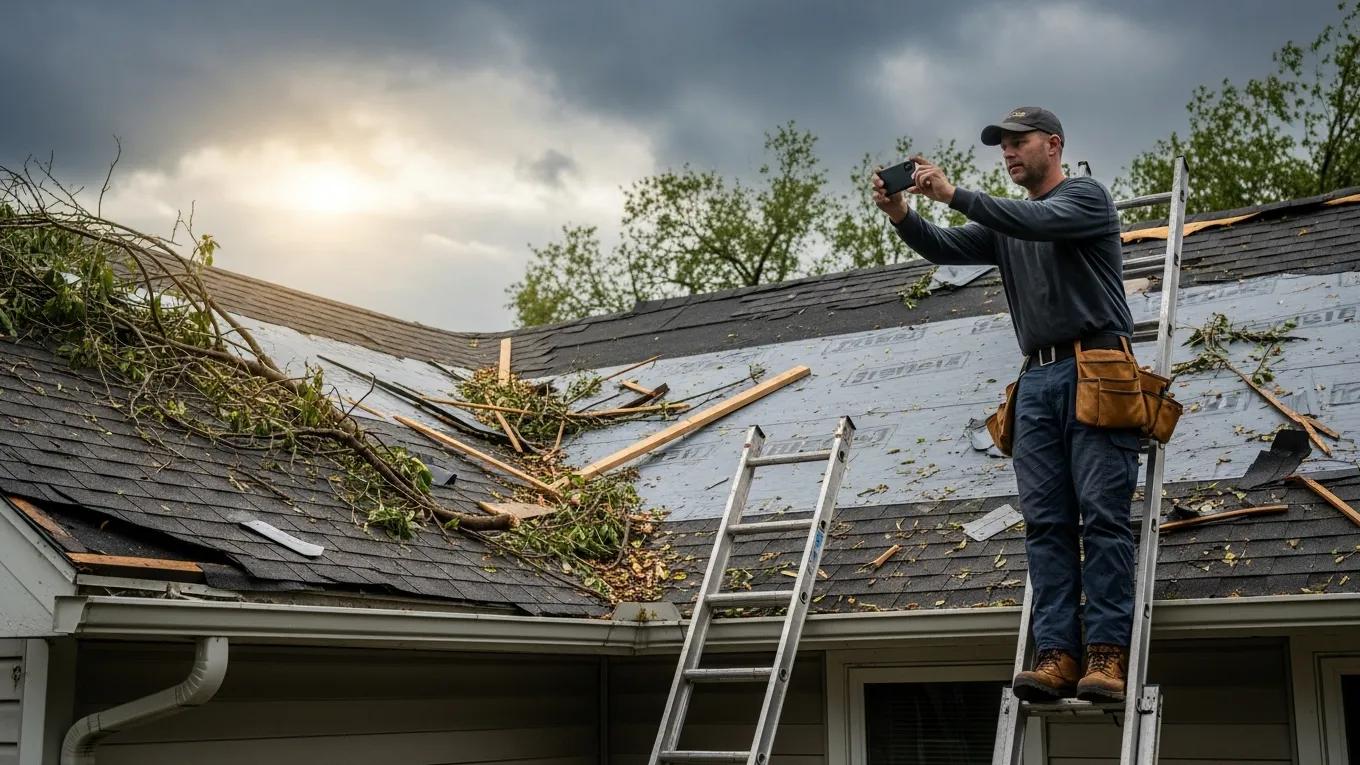
- Photographic Evidence: Capture clear images of all damaged areas, including roofs, siding, and any interior damage caused by leaks.
- List of Damaged Items: Create a detailed inventory of all damaged property, including descriptions and estimated replacement costs.
- Timeliness in Documentation: Document the damage as soon as it is safe to do so, as delays can complicate the claims process.
Filing Your Claim
- Prompt Action Required: Contact your insurance company as soon as possible after the damage occurs. Most policies require timely reporting of claims.
- Contacting the Insurer: Reach out to your insurance agent or claims department to initiate the claims process. Be prepared to provide details about the damage and your policy.
- Providing Necessary Documentation: Submit all required documentation, including photographs, the list of damaged items, and any other evidence requested by your insurer.
Working with a Trusted Contractor
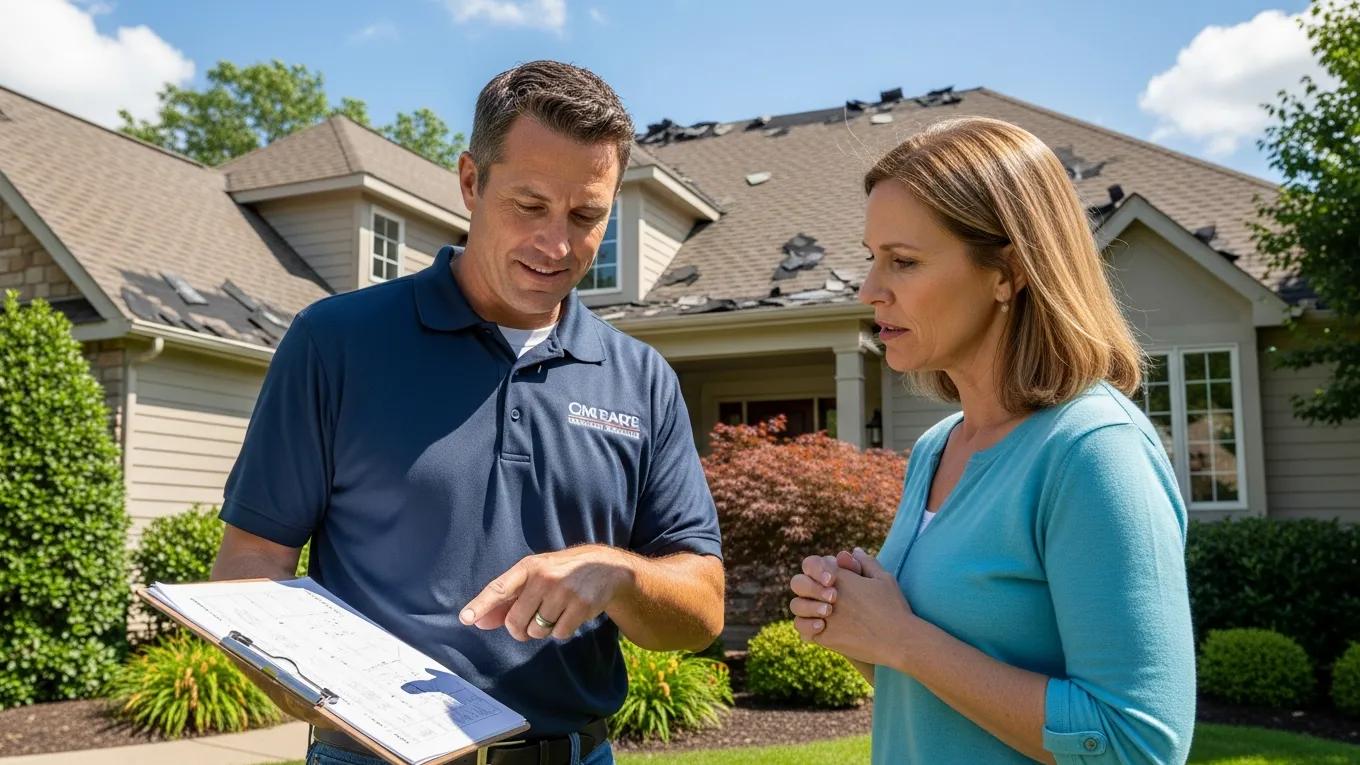
- Importance of Contractor Experience: Look for contractors who have experience dealing with storm damage repairs and insurance claims. They will be familiar with the process and can help facilitate communication with your insurer.
- Facilitating the Claims Process: A knowledgeable contractor can assist in documenting the damage and providing estimates that align with insurance requirements.
- Avoiding Scams: Be cautious of contractors who approach you after a storm, as some may not be reputable. Always check references and verify credentials before hiring.
Common Challenges Homeowners May Encounter
- Claim Denials: Insurers may deny claims based on policy exclusions or insufficient documentation. Understanding your policy can help mitigate this risk.
- Scams and Storm Chasers: Unscrupulous contractors may take advantage of homeowners in distress. Always conduct thorough research before hiring a contractor.
- Underestimating Damage: Homeowners may not fully understand the extent of the damage, leading to inadequate claims. Comprehensive documentation is essential to avoid this pitfall.
Homeowner Insurance Challenges & Climate Change Impact
Homeowner insurance is a cornerstone of modern society. It underpins broader housing markets, provides financial security for families and individuals, and is a source of resilience for communities recovering from disasters. However, climate change and urban development in hazard-prone areas are undermining this critical institution, forcing private insurers to retreat from high-risk regions and leaving homeowners in the lurch precisely when they are most in need of coverage.
The growing void in the US homeowners insurance market: who should bear the rising cost of climate change?, M Hemmati, 2025
Additional Considerations
- Insurance Assistance from Contractors: Some contractors may offer assistance with insurance claims, helping homeowners navigate the process more effectively.
- Preventive Measures for Future Damage: Consider investing in preventive measures, such as roof inspections and maintenance, to minimize the risk of future storm damage.
What Types of Storm Damage to Texas Roofs Are Covered by Insurance?
- Hail Damage: Most homeowners insurance policies cover damage caused by hail, which can lead to significant roof issues.
- Wind Damage: Damage from high winds, such as missing shingles or structural damage, is generally covered.
- Water Damage: If storm damage leads to leaks and water intrusion, this may also be covered under your policy.
How Does Hail and Wind Damage Affect Insurance Claims?
- Assessment of Damage: Insurers will assess the extent of the damage to determine coverage. Proper documentation is crucial for this process.
- Deductibles: Homeowners may need to pay a deductible before insurance coverage kicks in, which can affect the overall claim amount.
- Claim Limits: Policies may have specific limits on how much they will pay for storm damage, making it essential to understand these limits before filing a claim.
How Do I File a Roof Damage Insurance Claim in Texas? Step-by-Step Process
- Review Your Policy: Understand your coverage and any exclusions related to storm damage.
- Document the Damage: Take photographs and create a list of all damaged items.
- Contact Your Insurer: Notify your insurance company promptly to initiate the claims process.
- Submit Required Documentation: Provide all necessary evidence to support your claim.
- Follow Up: Stay in contact with your insurer to ensure your claim is being processed.
What Should Texas Homeowners Know About Deductibles and Coverage Limits?
How Do Deductible Amounts Impact Roof Repair Insurance Claims?
What Are Common Coverage Limits for Storm Damage Roof Repairs in Texas?
How to Choose the Right Roofing Contractor for Insurance Repairs in Texas
Why Select a Contractor Experienced with Texas Insurance Claims?
What Questions Should You Ask Your Roofing Contractor Before Hiring?
- What is your experience with insurance claims?
- Can you provide references from previous clients?
- What warranties do you offer on your work?