


A roof is one of the few home systems that cannot wait indefinitely. A small leak can spread into decking, insulation, and ceilings. For many Texas homeowners, the choice is not whether to fix the roof but how to pay for it without draining savings. Financing turns a large one-time cost into a series of payments. It can also cover repairs, full replacements, and in some cases insurance deductibles.
Texas providers advertise several structures, including contractor payment plans, low-interest loans, zero down plans, and same-as-cash promotions. Each has different costs and risks. The headline rate is only one part of the decision. The term, fees, payment schedule, and fine print can change the real cost by a wide margin.
Why Texas Homeowners Look at Roof Financing
Roof work is often urgent. Storm damage, missing shingles, and active leaks can lead to interior damage if they are not addressed. A full replacement is a planned expense for some homeowners and an emergency for others. Financing can bridge the gap between the needed work and the cash available.
Texas roofing companies and lenders have responded with a range of options. Some advertise 100% roofing financing with zero down payment plans and flexible terms. Others focus on low monthly payments, same-as-cash promotions, or financing for insurance deductibles. The variety is helpful, but it also means homeowners need to compare offers carefully instead of accepting the first payment plan presented.
Main Roof Financing Options in Texas
Texas roof financing is not one product. The label covers several arrangements, and the contract behind the offer matters more than the headline rate. Below are the main paths homeowners encounter.
Contractor Payment Plans
Many roofing companies offer monthly payment programs, either in-house or through a third-party lender. One advertised program lists a 5-year payment plan at 8.99% for 60 months, with monthly payments equal to about 2.08% of the total project cost. The same source lists a 7-year plan at 9.99% for 84 months. Those figures are examples, not a universal Texas rate.
Ask whether the plan is a loan, a retail installment contract, or a deferred payment schedule. Get the full payment schedule in writing before you sign. Also ask whether the contractor sells the contract to a lender after installation and who will service the payments.
Low-Interest Roof Loans
Some Texas lenders advertise 100% roofing financing with low-interest loans, zero down payment plans, and flexible payment terms. Others describe low-interest plans and extended payment terms that lower the monthly payment. Some home improvement lenders advertise loans built for home projects, including roof repairs, with a simple application.
A longer term can make the payment easier to manage, but it usually means paying more interest over the life of the loan. Compare the APR, not just the monthly payment. Ask whether the rate is fixed or variable and whether there are origination or application fees.
Same-as-Cash and Promotional Plans
Promotional offers can be useful if you can pay within the promotional window. Some lenders and roofing companies offer 0% interest for a limited time or low monthly payments. Houston-area providers advertise 0% same-as-cash plans, low monthly payments, and instant approval. Central Texas roofers advertise multiple payment plans and competitive interest rates.
The risk is deferred interest. If you do not clear the balance by the deadline, you may owe interest from the original date of the purchase. Ask exactly what happens when the promotional period ends, what minimum payments are required, and whether the rate changes after the deadline.
Home Equity Loans
A home equity loan is another route. A financing overview notes that a home equity loan can bring lower rates and repayment terms of up to 20 years. That can be attractive for a large replacement. The tradeoff is that the loan is secured by your home.
If your income changes or you fall behind, the risk is greater than with an unsecured loan. Ask your lender about closing costs, appraisal requirements, and the total cost over the full term. Compare the home equity option with contractor financing and unsecured roof loans before you decide.
What to Compare Before You Sign
Two offers with the same monthly payment can have very different costs. Use a side-by-side comparison and read the definitions. The table below shows the questions to ask for each common option.
| Option | How it usually works | What to check |
|---|---|---|
| Contractor monthly payment plan | Contractor or lender sets a fixed monthly payment over a set number of months | APR, term, whether it is a loan or installment contract, late fees |
| Low-interest roof loan | Lender provides funds for repairs or replacement, and you repay with interest | APR, fixed or variable rate, origination fees, prepayment penalty |
| Same-as-cash promotion | No interest if paid in full by a deadline; otherwise interest may apply | Deadline, deferred interest terms, minimum payments |
| Home equity loan | Loan secured by home equity, often with a longer term | Closing costs, total interest, risk because the home is collateral |
No single option wins for every homeowner. A short-term plan with a higher payment may cost less overall. A longer loan may protect monthly cash flow but cost more in interest. The right choice depends on how quickly you can repay and how much risk you can carry.

The Numbers in a Roof Financing Offer
Use the advertised payment factor as a starting point. In the monthly payment program example, the 5-year plan's payment is about 2.08% of the total project cost. Multiply your own written roof quote by 0.0208 to estimate the monthly payment under that example. For a 7-year plan at 9.99% over 84 months, ask the lender for the exact payment factor.
Do not rely on a verbal estimate. A roof quote and a financing quote are separate documents, and both should be in writing. The roof quote should show the scope of work and materials. The financing quote should show the amount financed, the finance charge, the APR, the number of payments, and the total of payments.
How to Spot a Financing Offer That Fits
Start with the roof scope. A financing offer is only useful if it matches the work you actually need. Ask the contractor to separate repairs, replacement, and any optional upgrades. Then compare financing offers on total cost, not just the monthly figure.
A low payment stretched over many years can look affordable while costing far more in interest. Ask for the amount financed, the finance charge, the APR, and the total of payments. If a salesperson cannot or will not put those numbers in writing, treat that as a warning sign. A legitimate lender should be able to explain the terms clearly.
Financing Roof Repairs vs. Replacement
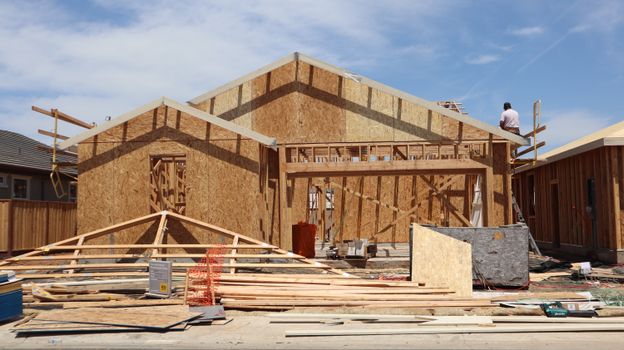
Repairs and replacements can both be financed, but the math differs. A repair may be a smaller amount that you can repay over a shorter term. A full replacement may justify a longer term to keep payments manageable. Houston financing ads specifically mention repairs, replacements, and insurance deductibles.
That does not mean every lender covers every cost. Ask whether the lender pays the contractor directly, whether you receive funds, and whether the money can be used for the deductible. If insurance is involved, confirm the claim and deductible with your insurer before you sign.
Texas-Specific Considerations
Texas has several active roofing markets, and financing options can vary by city and contractor. Dallas-area roofers advertise in-house financing for roof repair. Houston providers promote same-as-cash plans and deductible financing. Central Texas companies list multiple payment plans and competitive rates. Some Texas lenders advertise 100% financing with zero down payment plans.
Availability depends on credit approval, project size, and the lender's rules. A plan advertised in one market may not be offered in another. Ask your local contractor which lenders they work with and whether the approval is instant or requires a review.
Red Flags and Fine Print
Watch for offers that lead with a monthly payment but hide the APR. A 0% promotion can be a good deal if you pay on time, but the fine print may convert to deferred interest. A very long term can lower the payment while increasing the total cost.
Be cautious if you are asked to sign before you receive a written roof estimate or financing disclosure. Also ask about late fees, returned payment fees, and whether the lender reports to credit bureaus. These details affect the real cost of the loan and your options if something changes.
Steps to Take Before Signing
- Get a written roof estimate with the scope of work and materials.
- Ask the contractor whether financing is in-house or through a third-party lender.
- Compare at least two financing offers using APR, term, monthly payment, and total cost.
- Confirm fees, late charges, and whether there is a prepayment penalty.
- Ask what happens after a same-as-cash or promotional period ends.
- Check how an insurance deductible would be handled if a claim is involved.
- Keep copies of the estimate, financing contract, and payment schedule.
A signed financing contract can be harder to change than a roofing estimate. Take time to read it before you commit. If a term is unclear, ask the lender to explain it in writing. The goal is a roof that protects your home and a payment you can manage without surprises.
Frequently Asked Questions
Can I finance a roof replacement in Texas with no money down?
Some Texas lenders and roofing companies advertise zero down payment plans and 100% roofing financing. Approval and terms vary by lender, credit profile, project size, and location. A zero down offer can still carry fees or a higher rate. Ask for the written offer with the APR, term, monthly payment, and total cost before you sign.
What interest rates can I expect on roof financing in Texas?
Rates vary by lender, credit, and term. One advertised monthly payment program lists 8.99% for a 60-month plan and 9.99% for an 84-month plan. Promotional same-as-cash plans may advertise 0% for a limited time. Compare the APR and total cost, not just the monthly payment, because a longer term can lower the payment while increasing what you pay overall.
Can I finance just the insurance deductible?
Some Houston-area roof financing providers advertise plans that can finance repairs, replacements, and insurance deductibles. Coverage and lender rules vary. Confirm the claim and deductible with your insurer, then ask the lender whether the deductible can be included. Do not assume a contractor estimate equals insurance approval.
Is a home equity loan a good option for a new roof?
A home equity loan can offer lower rates and repayment terms of up to 20 years, according to a financing overview. It uses your home as collateral, so missed payments carry more risk than an unsecured loan. Compare the total cost, closing costs, and your comfort with that risk before choosing it.
What should I ask before signing a roof financing contract?
Ask for the APR, term length, monthly payment, origination fees, late fees, and whether there is a prepayment penalty. Confirm what happens after a same-as-cash period ends. Get the roof estimate and financing terms in writing, and compare at least two offers before you sign.