


Irving sits in the middle of the Dallas-Fort Worth metroplex, and that location comes with a particular pattern of roof wear. The DFW area sees an average of three to five significant hail events per year, according to local contractor listings, and each one leaves a mark on shingles, flashing, vents, and gutter runs. Add months of hard sun and wind-driven rain, and a roof that looked fine in spring can be leaking by the first cold snap.
This guide walks through what actually breaks on Irving roofs, what repairs tend to cost in the local market, how to choose a contractor in a state that does not license roofers, and when a repair stops making sense. It is written for homeowners from Las Colinas to Valley Ranch and everywhere in between.
What Irving Roofs Deal With Each Year
Hail is the headline problem, but it is rarely the only one. A typical Irving roof faces a stack of stresses that compound over time:
- Hail impacts that bruise or crack shingle granules, which shortens the life of the shingle even when it stays in place.
- Wind that lifts and creases shingles along ridges, rakes, and corners, then drives rain underneath.
- Thermal expansion and contraction from hot days and cooler nights, which works on sealant strips and flashing joints.
- Ponding or splash-back at gutter lines, which quietly rots fascia and soffit before anyone notices.
The result is that many Irving roof problems are not dramatic. They start as a small flashing gap or a lifted shingle tab that lets water in behind siding, and the interior damage shows up weeks later as a ceiling stain.
Common Storm and Hail Repairs We See Across Irving
Homeowners in the area typically call about a handful of repeat issues. These are the repairs that come up again and again after a storm front moves through North Texas.
Hail damage to shingles, vents, and soft metals
Hail does not have to punch a hole to cause a problem. It knocks granules loose, dents soft metals such as vent caps and drip edge, and cracks the mat underneath shingles. A roof can look intact from the ground while individual shingles are compromised. That is why a hands-on inspection, not a driveway glance, matters after any hail event in Irving.
Flashing where shingles meet siding
This is one of the most common leak points on a house, and it is a frequent request in local repair threads. When the metal flashing between a roof plane and a sidewall is loose, undersized, or sealed with caulk instead of properly stepped, water finds the gap. The fix usually involves resetting or replacing the flashing and reworking the shingle course above it rather than smearing sealant over the seam.
Chimney crickets and other water-shedding details
A chimney cricket is the small peaked structure built on the upslope side of a chimney to divert water around it. When a cricket is missing, undersized, or has failed flashing, water pools against the masonry and works its way in. Roofers also see the same pattern at skylights, valleys, and furnace or plumbing penetrations where the original detail has aged out.
Gutters, awnings, and edge metal
Storms pull gutters away from fascia, bend hangers, and loosen awning attachments. Reattaching and reinforcing these components is a genuine roofing task, not just a cosmetic one. A gutter that has pulled free dumps water at the foundation, and an awning attachment that has pulled loose can let water track back under the roof edge.
Missing shingles and small leak repairs
Individual shingle replacement, nail pop repairs, and localized leak tracing round out the list. Not every storm call is a big job. Sometimes the honest answer is that the shingles are in decent shape overall and only a few details need attention.
What Roof Work Typically Costs in the DFW Market
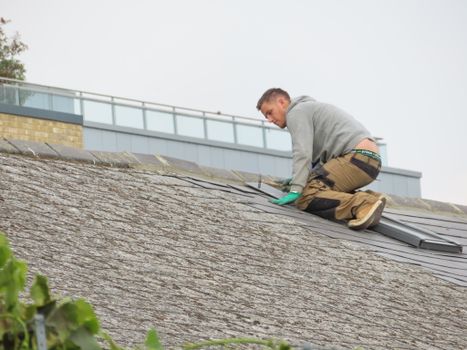
Local contractor listings put roof repairs in the DFW area in a fairly wide band, depending on scope, access, and material. Replacements are a different order of magnitude. These figures give a starting frame for planning, though every property is different and you should get a written scope before committing.
| Project type | Typical DFW range |
|---|---|
| Roof repair (flashing, shingle work, leak fixes, minor storm damage) | $300 to $1,500 |
| Full roof replacement | $8,000 to $25,000 and up |
The low end of the repair band covers small, targeted fixes. The high end reflects larger sections, more complex access, or repairs bundled with gutter and flashing work. Anything that pushes past the top of the repair range is usually worth comparing against a replacement quote, especially on an older roof.
Neighborhood Notes: Las Colinas, Valley Ranch, and the Rest of Irving
Irving covers a wide and diverse stretch of the metroplex, from Las Colinas to Valley Ranch, and roof conditions vary just as much as the housing does. Rather than assume what a specific street needs, it helps to think in terms of how each roof is built and how old it is.
- Complex rooflines with multiple valleys, dormers, and wall intersections create more flashing detail, and every one of those details is a potential leak path after a storm.
- Flat and low-slope sections, common on additions and some commercial-adjacent structures, fail differently than pitched shingle roofs and need someone comfortable with membrane work.
- Older roofs may already be on their second layer, which changes both the repair approach and the case for replacement.
The practical takeaway is that a neighbor's repair estimate tells you very little about yours. What matters is the specific condition of your decking, flashing, and shingle field after the last storm event.
How to Vet a Roofer in Irving
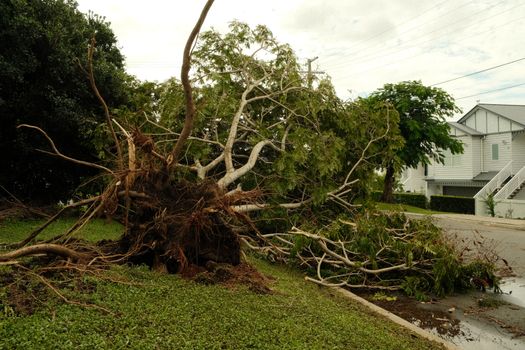
Texas does not require a state roofing license, so the usual license check will not get you far. Local contractor guides point out that reputable roofers carry proper insurance and often hold certifications from manufacturers such as GAF, Owens Corning, or CertainTeed. Those two items, insurance and manufacturer certification, do more to separate professionals from storm chasers than any badge on a truck.
There are 27 verified roofing contractors listed for Irving, so you have no shortage of options. Use that competition. Ask for:
- Proof of general liability insurance and workers compensation coverage before any work begins.
- A written scope that names the specific repairs, materials, and quantities, not just a lump sum.
- Manufacturer certification details if you are being offered a warranty.
- A clear explanation of how they will handle decking if they find rot once shingles come up.
- Photos of the actual damage they are proposing to fix, taken on your roof.
Be cautious with anyone who knocks on the door after a storm and pressures you to sign before you have an inspection report. Hail season brings out plenty of out-of-town crews, and Irving has seen its share.
When a Repair Is Enough and When Replacement Makes More Sense
Repairs are the right call when the damage is localized: a section of flashing, a handful of shingles, a loose gutter run, a chimney detail that needs rebuilding. If the shingle field is otherwise in decent condition, targeted work protects the roof without spending replacement money.
Replacement starts to make financial sense when the damage is widespread, when the roof is already near the end of its service life, or when repairs would stack up across multiple areas. Given that full replacements in DFW start around $8,000, it is worth asking a contractor to price both paths before you decide. A roofer who only quotes replacement without discussing repair is telling you something about their sales model.
What to Do Right After a Storm
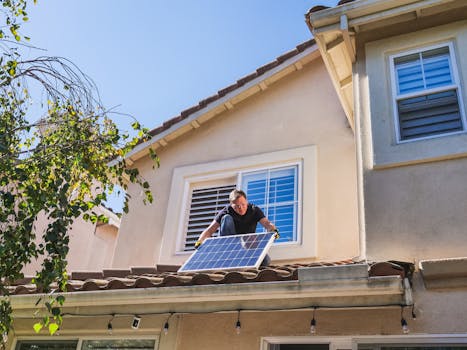
Get eyes on the roof quickly, but safely. From the ground, look for shingle tabs in the yard, dented gutter sections, and granules collecting at downspout outlets. Inside, check the attic for daylight at penetrations and look for new staining on ceilings and walls.
Document everything with photos before anyone touches the roof, and get an inspection before signing anything. If a tarp is needed to stop active water intrusion, that should happen right away, and the permanent repair can follow once the scope is clear. Mr. Roof Fix works across the Dallas-Fort Worth area, including Irving, on roof repair, leak tracing, flashing and decking work, and full replacements. Financing through third-party lenders is available for larger projects.
Frequently Asked Questions
How much does roof repair cost in Irving, Texas?
Roof repairs across the DFW metroplex typically run from $300 to $1,500, depending on how much area is involved, how accessible the roof is, and what materials are needed. Full replacements generally start around $8,000 and can exceed $25,000. Always get a written scope with itemized work before you approve anything.
Does Texas require roofers to be licensed?
No. Texas does not require a state roofing license, so you cannot verify a roofer through a state licensing database. Instead, ask for proof of general liability insurance and workers compensation coverage, and look for manufacturer certifications from brands such as GAF, Owens Corning, or CertainTeed. Insurance and certification are the practical checks that matter here.
How can I tell whether hail damaged my roof?
Granules knocked loose and collecting near downspouts, dents on soft metal vents and drip edge, and shingles that look bruised or cracked are all common signs. Damage often is not visible from the ground. A roofer should get on the roof and photograph specific areas rather than give you an opinion from the driveway.
Should I repair or replace a hail-damaged roof?
If the damage is confined to flashing, a few shingles, or one section of the roof, a repair is usually the sensible choice. Widespread bruising, an aging roof, or multiple failing areas usually tips the decision toward replacement. Ask for both prices and compare them against the remaining life of the roof.
How soon should I call a roofer after a storm in Irving?
As soon as you notice a problem, or right after a significant hail event. Quick action limits interior damage and gets you documented photos before conditions change. If water is actively coming in, temporary tarping should be arranged immediately, with the permanent repair scheduled once the full scope is clear.