


North Texas is hard on roofs. Hail moves through the Metroplex in fast, narrow bands, straight-line wind works at the edges and ridges first, and summer heat keeps shingles hot enough to age faster than homeowners expect. By the time a stain shows up on a ceiling, the water has usually been traveling for a while. This guide covers what DFW homeowners actually need to decide in 2026: how to spot a problem early, who to call, how to document damage before it gets expensive, and how to tell a small roof repair from a repair bill that is really a replacement in disguise.
Why Dallas-Fort Worth Roofs Fail Faster Than Homeowners Expect
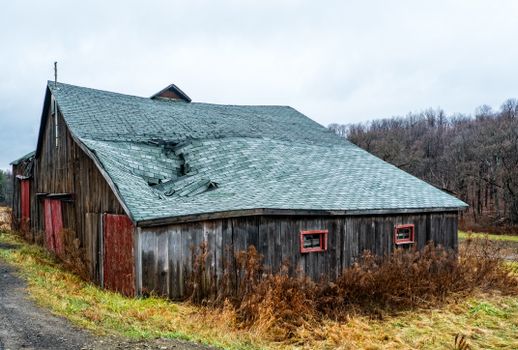
The roofing market in Dallas and Fort Worth is built around storm work for a reason. Local contractors advertise hail damage assessments, storm damage inspections, and emergency repairs as core services rather than add-ons, because that is what the region produces. A single hail event can bruise the mat of an asphalt shingle without tearing it, which leaves a soft spot that starts leaking months later. Wind events lift and crease shingles along ridges, hips, and rake edges, and once a seal breaks, the next storm gets underneath.
Heat does slower damage. Long stretches of high temperatures make asphalt shingles brittle and dry out sealant strips, so a roof that would last decades in a cooler climate can show granule loss and curling earlier here. Add the occasional hard freeze and thaw, and you get a roof that is being pushed from three directions at once. That combination is why inspections after major storms matter more in DFW than in most markets.
Common Roof Problems DFW Homeowners Call About
Most repair calls fall into a handful of categories. Knowing which one you are dealing with helps you ask better questions and avoid paying for work you do not need.
- Leaks and ceiling stains. Brown rings, bubbling paint, or a damp attic deck point to water entry that is often several feet uphill from where the stain appears.
- Missing or damaged shingles. Wind-lifted, cracked, curled, or granule-bare shingles are the most visible sign of trouble from the ground.
- Flashing failures. The metal around chimneys, vent pipes, and wall intersections is a frequent leak source, and it is easy to overlook during a quick visual check.
- Decking damage. Soft or delaminated roof decking under the shingles usually shows up as sagging or as a spongy feel near the eaves.
- Soffit and fascia problems. Rot at the roof edge lets water and pests in and often signals a gutter or ventilation issue above it.
- Gutter and drainage trouble. Overflowing or loose gutters push water back under the roof edge, which turns a small repair into a larger one.
The First 24 Hours After You Notice a Leak
What you do before a contractor arrives can limit the damage considerably.
- Move furniture, electronics, and rugs out of the affected area and put a bucket or tarp under the drip.
- Photograph the stain, the ceiling, and anything damaged inside. Add pictures of the roof from the ground if it is safe to do so.
- Do not climb onto a wet, steep, or storm-damaged roof. Falls are the most serious risk in this whole process.
- Call a roofing company that offers emergency repair or tarping. Temporary protection that keeps water out today prevents mold and decking damage tomorrow.
- Keep receipts for anything you buy to protect the interior, and keep a written timeline of what you noticed and when.
A temporary repair is not a fix. Tarping buys time, and that time should be used to get a proper inspection and a written scope of work.
How to Vet a Roofing Contractor in Dallas-Fort Worth
The Metroplex has no shortage of roofers, and the quality varies widely. Look for credentials you can actually check rather than trusting a yard sign. Across the DFW market, established companies commonly advertise BBB ratings, verified Google review scores, years in business, free inspections, and workmanship warranties. Those are useful signals, but only if you verify them yourself and read the fine print.
| What to check | Why it matters |
|---|---|
| Better Business Bureau rating | Shows a track record on complaints and how a company resolves them |
| Verified Google reviews | Gives a sense of recent customer experience, not just marketing claims |
| Years serving DFW roofs | Local experience with hail, wind, and North Texas building styles |
| Free inspection with photos | Lets you see the damage yourself instead of taking it on faith |
| Written workmanship warranty | Defines who is responsible if the repair fails |
| Insurance and licensing documentation | Protects you if a worker is hurt on your property; ask for proof |
Get the scope of work in writing. A quote that says "repair roof" tells you nothing. You want the specific areas, materials, and whether decking or flashing replacement is included. Ask whether the inspection is photo-documented, because photos settle arguments later with both the contractor and the insurance company.
Roof Repair or Roof Replacement?
This is the decision that determines your budget, and it should be based on condition rather than age alone. Repair tends to make sense when the damage is isolated: a few wind-lifted shingles, one failed vent boot, a flashing leak at a chimney, or damage confined to one slope after a hail band clipped a corner of the neighborhood. Replacement moves up the list when shingles are brittle and losing granules across the whole roof, when multiple slopes are affected, when decking is soft in several places, or when repairs keep recurring in the same spot.
Ask the contractor to show you why. A photo of a bruised shingle field with a recommendation to repair is a reasonable conversation. A recommendation to replace the entire roof based on a single missing shingle is worth a second opinion. Getting two written opinions on anything above a minor repair is normal and not rude.
Documenting Storm Damage for Insurance
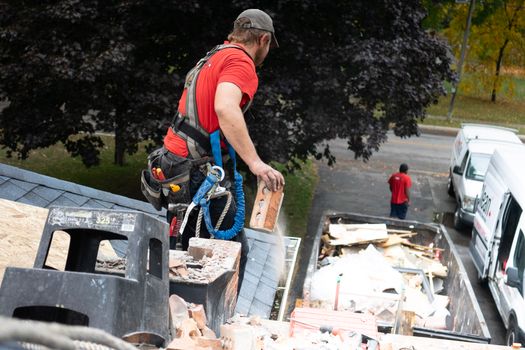
If a hail or wind event is the likely cause, documentation carries the claim. Take dated photos of the damage and of any interior water intrusion. Keep a written log of when the storm hit, when you noticed the problem, and what you did about it. Get a professional inspection that includes photos of the specific damage, since an adjuster will want to see it.
Read your own policy before you assume what is covered, and confirm details directly with your insurer. Coverage terms, deductibles, and claim deadlines are policy specific, and no contractor can tell you what your policy says. A roofing company can document damage and provide a scope of work, but the coverage decision belongs to your carrier. Be cautious with anyone who offers to handle the claim for you or suggests inflating damage, since that puts you at risk, not them.
What a Typical Roof Repair Involves
Most repairs follow a similar arc: inspect and photograph, identify the actual point of entry, remove the damaged material, inspect what is underneath, then rebuild the layers. That might mean replacing shingles and underlayment in a small section, resetting or replacing flashing, cutting out and replacing a section of decking, or repairing soffit and fascia at the roof edge. Gutters often get addressed in the same visit because they are part of the same water path.
Materials matter for the long haul. Asphalt shingle repairs should match the existing shingles closely, and on an older roof that can mean a color or profile that is no longer made. Metal roofing repairs need fasteners and sealants intended for metal. Flat and low-slope sections need surfacing or membrane work rather than shingles. Ask what is going on the roof, not just how much it costs.
Maintenance That Stretches Roof Life in North Texas
A little upkeep goes a long way here. Keep gutters clear so water leaves the roof edge instead of backing up under it. Trim tree limbs away from the roof surface to reduce abrasion and debris. After a hail or wind event, look for shingle pieces in the yard and granules collecting at downspouts. Schedule a maintenance inspection rather than waiting for a stain to appear, and address small flashing or sealant issues before the next storm season finds them.
Roof cleaning and maintenance are worth doing properly. Pressure washing the wrong way can strip granules and void shingle performance, so ask how the cleaning will be done before anyone touches the roof.

Working With a Local DFW Roofing Contractor
Mr. Roof Fix serves homeowners and commercial property owners across Dallas, Fort Worth, Granbury, and the surrounding North Texas area, along with Houston, Killeen, Austin, and San Antonio. The company handles roof repair for leaks, missing or damaged shingles, flashing, decking, soffit, and fascia, plus roof replacement, metal roofing, maintenance and cleaning, emergency tarping, gutters, siding, and interior remodeling. Financing is available through third-party lenders for larger projects. When you call, have your photos and timeline ready, and ask for a written scope of work before any repair begins.
Frequently Asked Questions
How do I know if my Dallas roof needs repair or full replacement?
Look at how widespread the damage is. One slope with wind-lifted shingles or a single flashing leak usually points to repair. Brittle shingles losing granules across the whole roof, soft decking in several spots, or repeat leaks in the same area point toward replacement. Get a photo-documented inspection and a written opinion before deciding.
Should I file an insurance claim for roof damage?
That depends on your policy and your deductible, so confirm the details with your insurer before filing. Get a professional inspection first so you know the extent of the damage and have photographs. Documenting the storm date, the damage, and your repair steps gives you a clean record if you do decide to open a claim.
Can roof repair happen during rain or extreme Texas heat?
Some work has to wait. Shingle installation needs dry conditions, and sealants will not set properly on a wet surface. Emergency tarping can usually be done quickly to stop active water intrusion regardless of weather. In extreme heat, reputable crews usually schedule heavier work earlier in the day and take safety precautions.
How long does a roof repair take?
Small jobs such as a vent boot, a flashing repair, or a patch of shingles are often finished in a single visit. Repairs that involve decking replacement, multiple leak points, or matching discontinued shingles take longer. Ask for a time estimate in writing along with the scope of work so you know what to expect.
Should I get more than one estimate?
For anything beyond a minor repair, yes. Two written scopes of work give you a comparison on both price and approach, and they reveal whether one contractor is recommending far more work than another. Verify credentials such as BBB ratings, recent reviews, insurance, and workmanship warranty terms for each company you consider.