


A denial letter feels final. It rarely is. When insurance won't cover roof replacement, the outcome usually comes down to three things: the reason given for the denial, what your policy actually promises, and how well the condition of the roof can be documented. Some denials are correct and will hold up no matter how hard you push. Others can be reversed with a second look and better paperwork.
Either way, you still need a roof over your house. That means your plan has to handle two tracks at once, the argument with the insurer and the practical question of how the work gets done. Here is a clear path through both.
Understand Why the Claim Was Denied
Most roof denials fall into a few recognizable categories, and each one calls for a different response. Before you draft an appeal or call an attorney, figure out which category you are in.
- Normal wear and tear or age. Homeowners insurance does not pay for a roof replacement caused by ordinary deterioration. Maintaining the roof is the homeowner's responsibility, and insurers treat slow decline as maintenance, not a covered event.
- Neglected maintenance. If a leak traces back to a roof that was never kept up, the insurer likely will not pay to repair the leak or the damage it caused inside the home.
- Policy limits. Even an approved claim has a ceiling. If the replacement costs more than your dwelling coverage limit, you cover the rest yourself.
- Coverage type. Some policies reimburse the full cost to repair your roof at current prices, which is called replacement cost coverage. Others pay less, and that shortfall becomes your problem.
Homeowners describe the same frustrating sequence again and again: a storm, several leaks, an adjuster visit, then a denial. Knowing which of the four reasons above applies tells you whether you have grounds to push back.
Read the Denial Letter and the Policy Together
The denial letter should name the policy language the adjuster relied on. Pull out your policy and read that section in full, not just the highlighted sentence. Look at your dwelling coverage limit, your deductible, and whether your policy is written as replacement cost or something less. Then compare those numbers to the contractor estimate you already have.
If the letter is vague, ask the adjuster in writing for the specific policy provision and the inspection findings behind the decision. A written request creates a record, and insurers tend to be more precise when they have to put the reasoning on paper. The Texas Department of Insurance publishes consumer guidance on buying a policy, filing a claim, and replacing your roof, which is a useful reference when the language in your policy is unclear.
Where the Money Commonly Falls Short
A claim can be approved and still leave you short. This table shows the usual gaps and who pays for them.
| Situation | Typical outcome |
|---|---|
| Roof worn out from age or normal wear | Not covered. Replacement is the homeowner's cost. |
| Leak caused by skipped maintenance | Insurer likely pays neither the leak repair nor the resulting damage. |
| Approved claim exceeds the dwelling coverage limit | You pay the amount above the limit. |
| Policy pays less than full replacement cost | You cover the difference between the payout and the real cost. |
Reading this honestly matters. If your situation sits in the first two rows, an appeal is unlikely to change anything and your energy is better spent on financing and phasing the work.
Get a Second Opinion on the Roof Itself
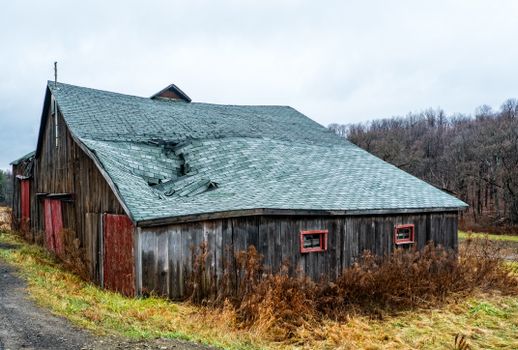
An adjuster sees dozens of roofs a week and spends limited time on yours. A roofing contractor who inspects for a living can document things a quick walkaround misses: lifted or missing shingles, flashing failures, damaged decking, and storm marks that suggest the damage is recent rather than gradual.
- Ask for a written inspection report with photos of each problem area.
- Get a line-item estimate that separates the roof from interior damage.
- Have the contractor note whether the damage appears consistent with a specific storm event.
- Keep the report factual. Speculation about the insurer does not help your file.
A clear, photo-supported report is the single most useful thing you can hand an insurer that has already said no once.
Build a Paper Trail Before You Appeal
Appeals succeed on documentation, not frustration. Gather everything into one organized file before you contact the insurer again.
- The denial letter and any adjuster reports you received.
- Your policy declarations page and the relevant coverage sections.
- The contractor inspection report and line-item estimate.
- Dates and photos of the storm event or the first sign of the leak.
- Records showing roof maintenance, repairs, or prior inspections.
Then request a re-inspection in writing, reference the new documentation, and ask for the decision to be reconsidered. Follow whatever review or dispute steps your policy lists. Keep copies of every email and note the date of every phone call.

If the Denial Stands, You Still Have Options
Sometimes the insurer is right on the policy language. That does not mean you are stuck with a failing roof. Homeowners in this position typically choose one of the following.
- Pay the gap between the payout and the true cost out of savings.
- Phase the project, replacing the worst slopes now and the rest later.
- Use contractor financing through a third-party lender to spread the cost over time. Mr. Roof Fix works with outside lending partners on qualifying projects.
- Choose a more budget-friendly material or a simpler profile to bring the total down.
- Revisit your deductible and coverage choices at renewal so the next claim pays more.
If you believe the company mishandled the claim rather than simply applying an exclusion, the Texas Department of Insurance is the right place to confirm what consumer resources and complaint options exist.
Repair Now, Replace Later
A full replacement is not always the only safe move. If the structure underneath is sound and the damage is limited to certain sections, a targeted repair can stop water intrusion and buy you a year or two to save for the larger job. Emergency tarping and temporary repairs serve the same purpose after a storm, keeping the interior dry until a permanent fix is possible.
The key is honesty about condition. Patching a roof that is already failing across most of its surface usually costs more over two years than replacing it once.
Protect the Next Claim
Insurers increasingly refuse to write or renew coverage on roofs that are roughly two decades old, though not every company draws the line in the same place. Whatever your roof's age, maintenance records change the conversation. Keep receipts for repairs, note the dates of inspections, and clear debris from valleys and gutters before storm season. When the next claim comes, you want a file that shows a maintained roof rather than a neglected one.
When to Bring In a Texas Roofing Contractor
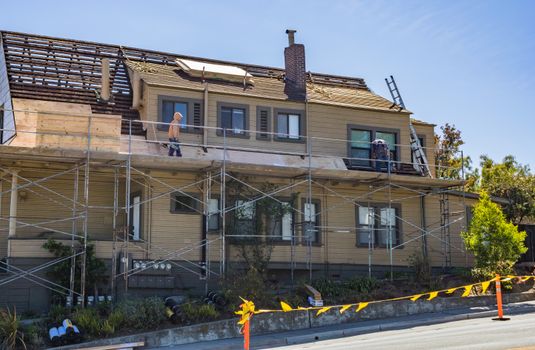
You do not have to sort out the insurance question alone. A contractor who handles storm and insurance work regularly can inspect the roof, produce documentation that speaks the adjuster's language, and give you a realistic repair-versus-replace recommendation. Mr. Roof Fix serves homeowners and commercial property owners across North, Central, and South Texas, including the Dallas-Fort Worth area, Granbury, Houston, Killeen, Austin, and San Antonio. Reach out through the website to schedule an inspection and get a written scope you can take back to your insurer.
Frequently Asked Questions
Will homeowners insurance pay for a roof replacement?
It depends on the cause. Insurance may help cover roof repair or replacement after a covered event, but it will not pay for a roof worn out by normal wear and tear or age. Maintaining the roof is the homeowner's responsibility, and insurers treat gradual deterioration as maintenance rather than a claim.
What if the payout is less than the replacement cost?
Some policies reimburse the full cost to repair your roof at current prices, which is called replacement cost coverage. Others pay less. If your policy falls in the second group, or if the job exceeds your dwelling coverage limit, you are responsible for the difference between the payout and the final invoice.
Can I appeal a denied roof claim?
Yes. Request a re-inspection in writing and attach a contractor inspection report, photos, a line-item estimate, and any maintenance records. Ask the insurer to identify the specific policy provision behind the denial. Follow the review or dispute steps listed in your policy, and keep copies of every communication.
Will an old roof still be insured?
Some insurers will not provide coverage on a roof around 20 years old, while others will, sometimes with conditions attached. Rules vary by company, so confirm the age limits and inspection requirements with your agent before renewal rather than after a storm hits.