


Arlington sits in the middle of the Dallas-Fort Worth Metroplex, where a roof spends the year dealing with summer heat, hard thunderstorms, and hail. A small leak that starts in June can mean rotted decking and stained ceilings by the time the next round of rain moves through. Most roof problems are cheaper to fix when they are caught early, and roof repair in Arlington, Texas, is a well-established local trade with plenty of contractors to choose from, which makes the selection process just as important as the repair itself.
This guide covers what actually fails on Arlington roofs, the signs that mean you should call someone this week, how a proper repair is scoped, and what to do in the first day after a storm.
What Arlington Roofs Deal With
Hail is the headline problem. Roofing companies serving Arlington advertise Class 4 hail-resistant shingle systems, and that tells you something about what local homes face. Class 4 products are rated for impact resistance, and homeowners replacing a roof often upgrade to them for exactly that reason.
Wind comes close behind. Straight-line gusts lift shingle tabs, tear apart the sealant strips that hold them down, and push water sideways under flashing. Once that seal is broken, shingles flutter in the next storm, and a problem that started as one loose tab spreads across a slope.
Then there is heat. Long, hot summers bake asphalt shingles and dry out the sealant around vents, chimneys, and pipe boots. Those small rubber and mastic details often fail long before the shingles do, which is why leaks so often show up as a ceiling stain well away from the actual hole.
Signs You Need Roof Repair Now
Warning Signs Inside the House
- Brown or yellow rings on ceilings and walls, especially after heavy rain
- Paint or drywall that bubbles, sags, or feels soft to the touch
- A musty smell in the attic or upstairs rooms that does not clear with ventilation
- Daylight visible through roof boards from inside the attic
- Water staining on rafters, sheathing, or insulation
Warning Signs Outside on the Roof
- Missing, curled, cracked, or lifted shingles
- Granule buildup in gutters and at downspout outlets
- Rusted, bent, or separated flashing at walls, chimneys, and valleys
- Cracked pipe boots and vent seals
- A sagging roofline or dips in the deck
- Damaged soffit and fascia, which often signals water running behind the gutter
Any one of these is worth an inspection. Three or more together usually means water has already been getting in for a while.
How Roof Repair in Arlington Usually Works
A good repair starts with diagnosis, not with a truck full of shingles. The order of work typically looks like this:
- Inspection. The roofer checks the roof surface, flashing details, penetrations, valleys, and attic. Some Arlington companies use drones for this, and at least one local firm is FAA Part 107 certified, which matters for aerial inspection near trees and tall structures.
- Temporary protection. If rain is coming before the repair can be scheduled, the damaged area gets tarped to stop water from spreading into the deck and ceilings.
- Written scope. You get a description of what failed and what will be replaced, not just a total.
- Permanent repair. Shingle replacement, flashing rebuilds, pipe boot and vent replacement, and decking repair where wood has softened.
- Cleanup and a final water check. Nails picked up, debris hauled off, and the repair area reviewed before the crew leaves.
Material matters here. Asphalt shingle repairs are the most common on Arlington homes, metal roofing repairs need someone comfortable with panel and fastener work, and flat or low-slope sections call for a different approach entirely.
Emergency Roof Repair: The First 24 Hours
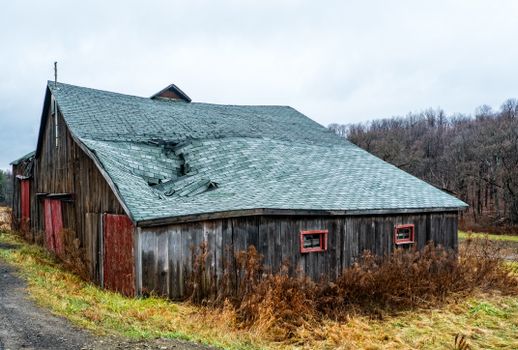
After a storm takes off shingles or drops a limb, the priority is stopping water from reaching the interior.
- Stay off the roof. Wet shingles and damaged decking are dangerous, and a fall is far more expensive than the leak.
- Move furniture, electronics, and rugs away from ceilings that are staining or bulging.
- Put a bucket under active drips and puncture a sagging ceiling bulge with a small hole so the water drains in a controlled way.
- Photograph everything before you move it, including the ceiling, the floor, and the roof if you can see it safely from the ground.
- Call for emergency tarping and temporary repair so the damage does not grow while you sort out the rest.
Mr. Roof Fix handles emergency roof repair and tarping for Arlington properties as part of its DFW service area, which means the temporary fix and the permanent repair can come from the same crew.
Storm Damage Claims: Document First, Repair Second
Insurance paperwork goes smoother when the evidence is captured before anything is cleaned up or replaced. Take wide photos and close photos, keep damaged materials until the claim is settled, and get the roofer’s written scope with its own photos.
Every policy is different, so confirm coverage details with your insurance provider directly rather than assuming a repair is or is not covered. It also helps to ask upfront whether the inspection is free. One Arlington contractor advertises free inspections, and many others offer them as well, but you should confirm before you book.
Flat and Low-Slope Roofs Need Different Repairs
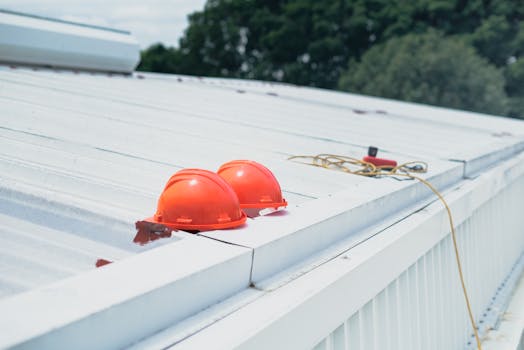
Not every Arlington roof is pitched. Flat and low-slope sections, including TPO systems that local contractors install and repair, fail in different places than shingle roofs. Ponding water, seam separation, punctures, and deteriorated lap sealant are the usual suspects. Patching a flat roof with shingle techniques generally does not hold, so make sure whoever you hire actually works on low-slope systems.
Repair or Replace?
Repair is usually the right call when the damage is isolated: one flashing detail, a handful of shingles, a single failed boot. Replacement starts to make more sense when leaks keep returning in different spots, when decking has softened across a large area, or when the repair list grows close to the cost of a new roof.
Age matters, but condition matters more. A roof with years of service left and one bad valley is a repair. A roof that has been patched three times in two seasons is telling you something. Ask the inspector to explain the reasoning behind the recommendation, not just the number at the bottom.
How to Choose a Roofing Contractor in Arlington
- Confirm the company is licensed and insured. Arlington roofing listings routinely emphasize this, and you should ask for proof rather than take it on faith.
- Look at local track record. A quick scan of Arlington roofing directories turns up companies with 14, 16, and even 20-plus years in business, which gives you a baseline for comparing experience.
- Ask how they inspect. Ground inspection, attic inspection, and drone imaging catch different things.
- Get the scope in writing, including materials and what happens if hidden damage turns up once the shingles come off.
- Ask about impact-resistant upgrade options if hail is your recurring problem.
- Confirm they handle both residential and commercial work if your property is not a single-family home.
- Ask for local references and check the workmanship warranty, not just the manufacturer warranty.

Keep the Next Leak From Happening
Maintenance is unglamorous and it works. Clear gutters and downspouts before and after storm season so water has somewhere to go. Trim branches back from the roof surface. Walk the yard after a storm and look for shingle granules and tabs on the ground. Have the roof checked once a year, and after any hail event, even if nothing looks wrong from the driveway.
Roof cleaning and routine maintenance also extend the life of the surface, especially on shaded slopes where algae and debris collect.
Roof Repair in Arlington With Mr. Roof Fix
Mr. Roof Fix is a Texas roofing and home remodeling contractor serving Arlington and the wider Dallas-Fort Worth area, along with Houston, Killeen, Austin, San Antonio, and surrounding communities. The company handles roof repair for leaks, missing and damaged shingles, flashing, decking, soffit, and fascia, plus roof replacement, metal roofing, roof maintenance and cleaning, and emergency tarping.
Interior and exterior remodeling is available too, covering kitchens, bathrooms, decks and patios, room additions, gutters, and siding, which helps when storm damage reaches past the roof. Financing through third-party lenders is offered for larger projects. If you are weighing a repair against a replacement, a written inspection and scope is the fastest way to a real answer.
Frequently Asked Questions
How much does roof repair cost in Arlington, Texas?
Pricing depends on the size of the damaged area, the roofing material, how much decking has to be replaced, and how accessible the roof is. Costs also shift over time, so any number quoted without an inspection is a guess. Ask for a written scope and estimate rather than a verbal ballpark, and compare more than one.
Do Arlington roofers offer free inspections?
Some do. At least one Arlington contractor advertises free inspections, and many others offer them as a way to win the repair work. Always confirm the inspection cost before you book, and make sure the inspection includes the attic and flashing details, not just a look at the shingles from the ground.
Can a roof be repaired while it is raining?
Permanent repairs generally need dry conditions so sealants and adhesives can bond. During active rain, the realistic move is emergency tarping to stop water intrusion, followed by a proper repair once the roof surface dries. Tarping buys time and protects the deck and interior from further damage.
What does hail damage look like on a roof?
Hail leaves bruised or soft spots on shingles, knocked-off granules that collect in gutters and at downspouts, and dents on metal flashing, vents, and gutters. Damage is often invisible from the ground, which is why a close inspection after a hail event matters more than a driveway glance.
Should I repair my roof or replace it?
Isolated damage, like one failed flashing detail or a few damaged shingles, is a repair. Repeated leaks in different areas, widespread soft decking, or a repair list approaching the cost of a new roof point toward replacement. Have a contractor explain the reasoning behind the recommendation before you commit.